
Highlighting Exceptional Video Editing Work in Creative Projects
Video editing is an art form that transforms raw footage into compelling stories. It requires technical skills, creativity, and a keen eye for detail. Exceptional video editing can elevate any creative project, making it more engaging and memorable. This post explores the importance of video editing in creative projects, showcases outstanding examples, and provides practical tips to enhance your own editing skills.
The Importance of an Editing Showcase in Creative Projects
An editing showcase is a powerful way to demonstrate the impact of video editing on storytelling. It highlights how editors use various techniques to shape the narrative, control pacing, and evoke emotions. Whether it’s a short film, commercial, or music video, the quality of editing can make or break the final product.
For example, in a documentary, smooth transitions and well-timed cuts help maintain viewer interest and clarify complex information. In a music video, creative effects and rhythmic editing enhance the mood and energy. An editing showcase allows creators to present their best work, inspiring others and attracting potential clients or collaborators.
Key benefits of an editing showcase include:
Demonstrating technical proficiency with editing software
Highlighting creative decision-making and storytelling skills
Building a professional portfolio to attract new opportunities
Inspiring peers and clients with innovative editing styles

How to Create a Compelling Editing Showcase
Creating a compelling editing showcase involves careful selection and presentation of your best work. Here are some practical steps to help you build an impressive portfolio:
Choose Diverse Projects
Include a variety of projects such as commercials, short films, corporate videos, and social media content. This diversity shows your versatility and ability to adapt to different styles and audiences.
Highlight Your Unique Style
Every editor has a unique approach. Whether you prefer fast cuts, smooth transitions, or experimental effects, make sure your showcase reflects your personal style.
Focus on Storytelling
Editing is not just about technical skills; it’s about telling a story. Select clips that demonstrate your ability to create a narrative flow and emotional impact.
Keep It Concise
Attention spans are short. Aim for a showcase that is 3-5 minutes long, featuring the strongest clips without unnecessary filler.
Use High-Quality Footage
Ensure all clips are high resolution and properly colour graded. Poor image quality can distract from your editing skills.
Add Context
Briefly describe each project, your role, and the challenges you overcame. This adds depth and professionalism to your showcase.
For inspiration, check out this video editing showcase that exemplifies these principles beautifully.
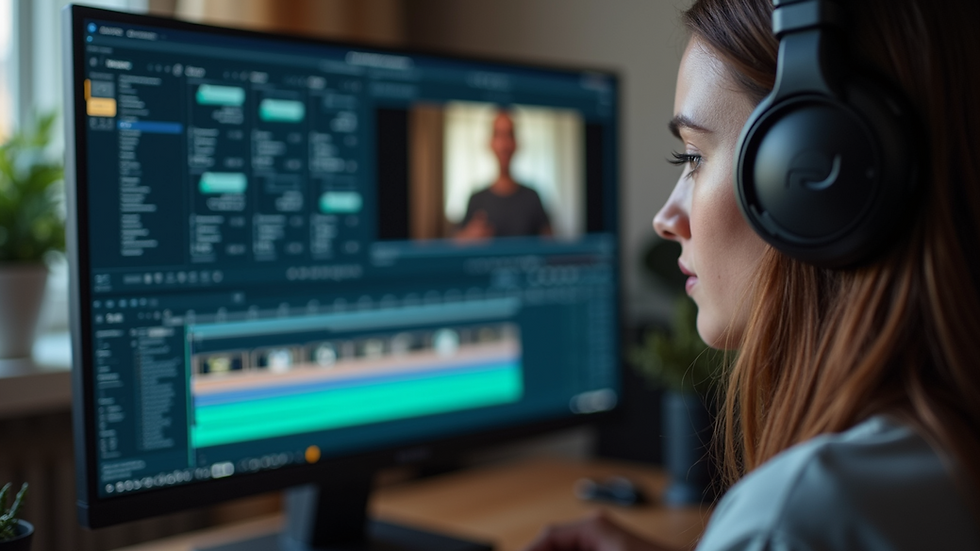
What are the 5 Stages of Video Editing?
Understanding the stages of video editing helps streamline the process and improve the final output. Here are the five essential stages:
Importing and Organizing
Gather all raw footage and assets. Organize them into folders or bins by scene, shot type, or project segment. This saves time during editing.
Rough Cut
Assemble the clips in sequence to create a basic storyline. Focus on timing and structure without worrying about fine details.
Fine Cut
Refine the rough cut by trimming clips, adjusting transitions, and improving pacing. This stage polishes the narrative flow.
Colour Correction and Grading
Adjust brightness, contrast, and colour balance to ensure visual consistency. Colour grading adds mood and style to the footage.
Sound Editing and Mixing
Enhance audio quality by removing noise, balancing levels, and adding sound effects or music. Good sound design complements the visuals.
Following these stages ensures a systematic approach that leads to a professional and engaging final product.

Practical Tips to Enhance Your Video Editing Skills
Improving your video editing skills requires practice and continuous learning. Here are some actionable tips to help you grow as an editor:
Master Keyboard Shortcuts
Learning shortcuts for your editing software speeds up your workflow and allows you to focus on creativity.
Study Film and Video Techniques
Watch movies, commercials, and music videos critically. Analyze how cuts, transitions, and effects are used to tell stories.
Experiment with Different Styles
Try editing various genres and formats. Experimentation helps you discover new techniques and develop your unique style.
Seek Feedback
Share your work with peers or mentors and ask for constructive criticism. Feedback helps identify areas for improvement.
Stay Updated with Software
Video editing software evolves rapidly. Keep up with new features and plugins to enhance your editing capabilities.
Organize Your Projects
Maintain a clean and organized project structure. This reduces frustration and saves time during revisions.
Use Music and Sound Effect Wisely
Sound can dramatically change the mood of a video. Choose audio elements that complement the visuals and enhance storytelling.
By applying these tips, you can create more polished and impactful videos that stand out in any creative project.
Showcasing Your Work to Attract Opportunities
Once you have a strong editing showcase, the next step is to share it effectively. Here are some strategies to get your work noticed:
Create a Professional Website
A dedicated website with your portfolio, contact information, and client testimonials builds credibility.
Leverage Social Media
Platforms like Instagram, LinkedIn, and YouTube are great for sharing clips and connecting with potential clients.
Network with Industry Professionals
Attend film festivals, workshops, and online forums to meet collaborators and learn about new projects.
Submit to Competitions and Festivals
Recognition from contests can boost your profile and open doors to new opportunities.
Collaborate on Passion Projects
Working on creative projects with others helps build your portfolio and gain experience.
Remember, a well-curated editing showcase is your best marketing tool. It demonstrates your skills and passion, making you stand out in a competitive industry.
Exceptional video editing transforms creative projects into captivating stories. By understanding the editing process, showcasing your best work, and continuously improving your skills, you can make a significant impact in the world of video production. Explore inspiring examples and start building your own editing showcase today.


Comments